Japan is often seen as a country of contrasts—ultra-modern cities pulsing with life, and quiet rural towns where time seems to stand still. But beneath this cultural richness lies a profound demographic shift that is reshaping the nation at every level.
The Japanese population is shrinking, aging, and redistributing in ways that are both deeply concerning and, in some cases, quietly devastating.
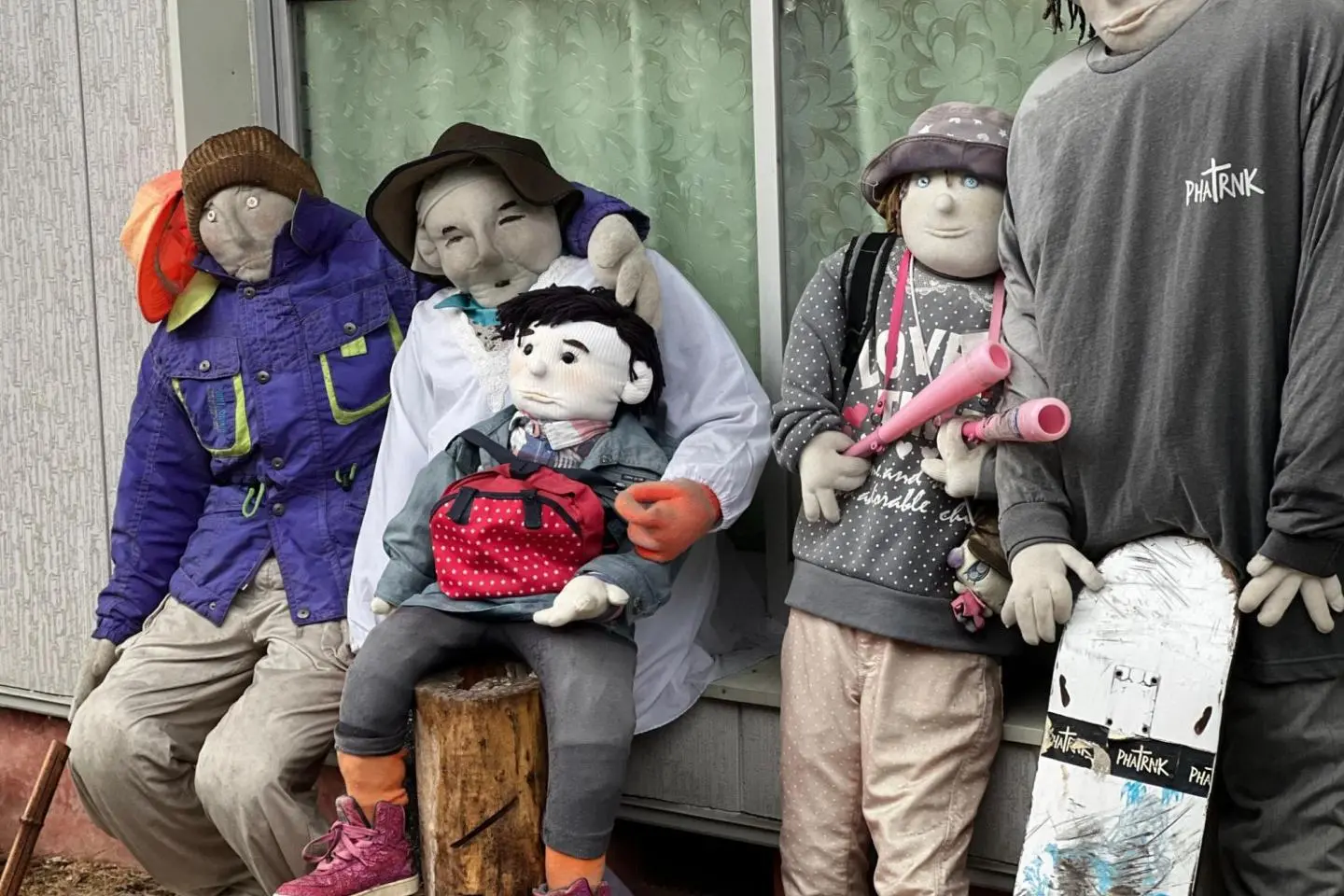
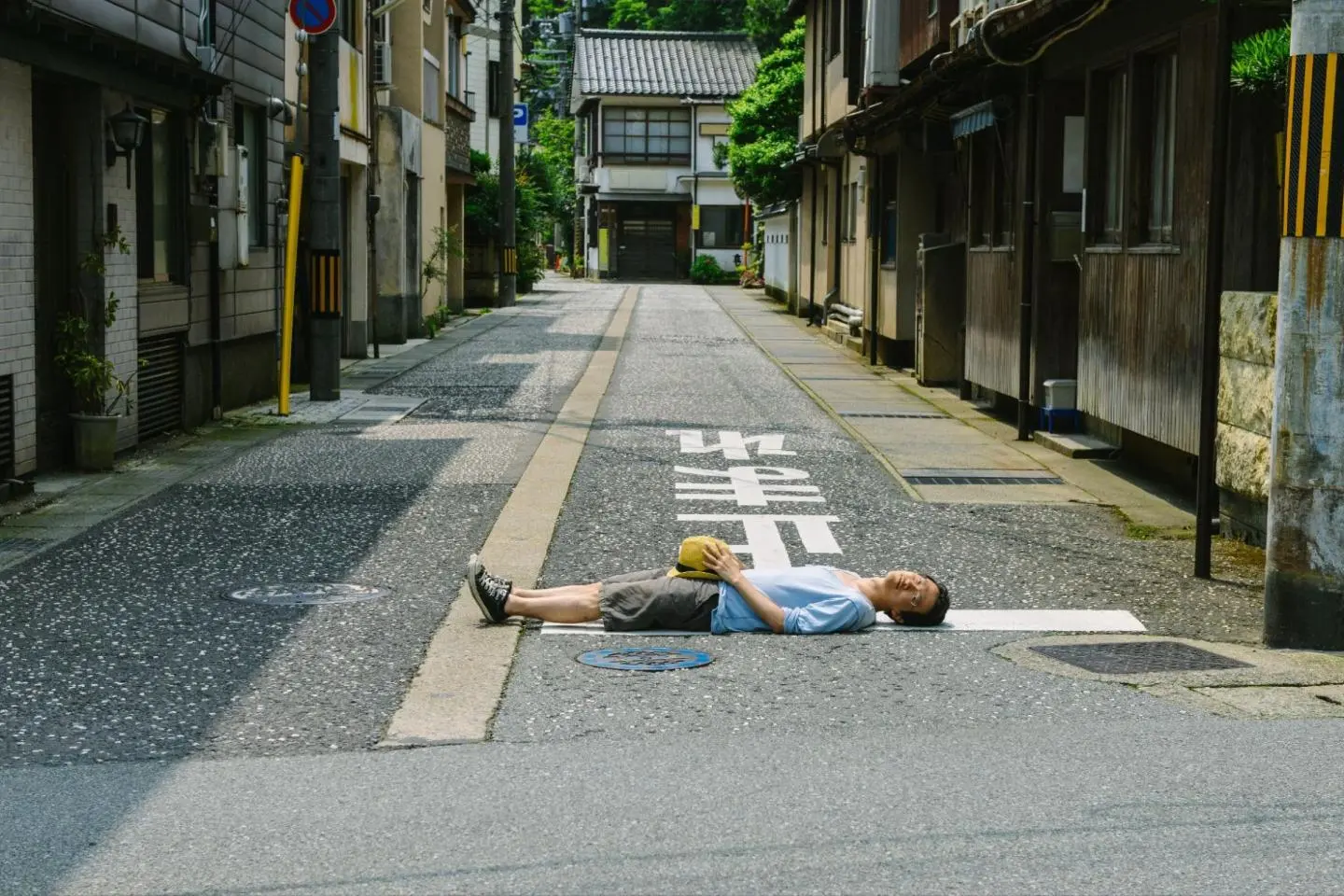
This is not a distant, abstract issue. It is happening now—in empty classrooms, shuttered homes, and villages where the only “residents” left are scarecrows. It is visible in Tokyo’s growing concentration of opportunity, and in the countryside’s slow fading away. The Japanese population decline is not just a statistic; it is a human story.
So how bad is it? And more importantly—can anything be done? Even as a visitor, is there a way you can help?
Japanese population decline: What are the latest stats?
Japan’s demographic trajectory is one of the most dramatic in the developed world. The country’s population peaked around 2008 at approximately 128 million people. Since then, it has been steadily declining (Source: The Japan Times).
Recent estimates place the population at around 124 million—and falling rapidly. In just five years, Japan has lost roughly 3 million people. Projections suggest that by 2050, the population could drop below 105 million, and by the end of the century, it may fall to under 75 million (Sources: Bangkok Post, Worldometer).
But the headline number only tells part of the story:
- Nearly 30% of Japan’s population is aged 65 or older
- The median age is approaching 50
- Rural regions are losing residents at significantly faster rates than cities
- Hundreds of municipalities are at risk of disappearing entirely within decades
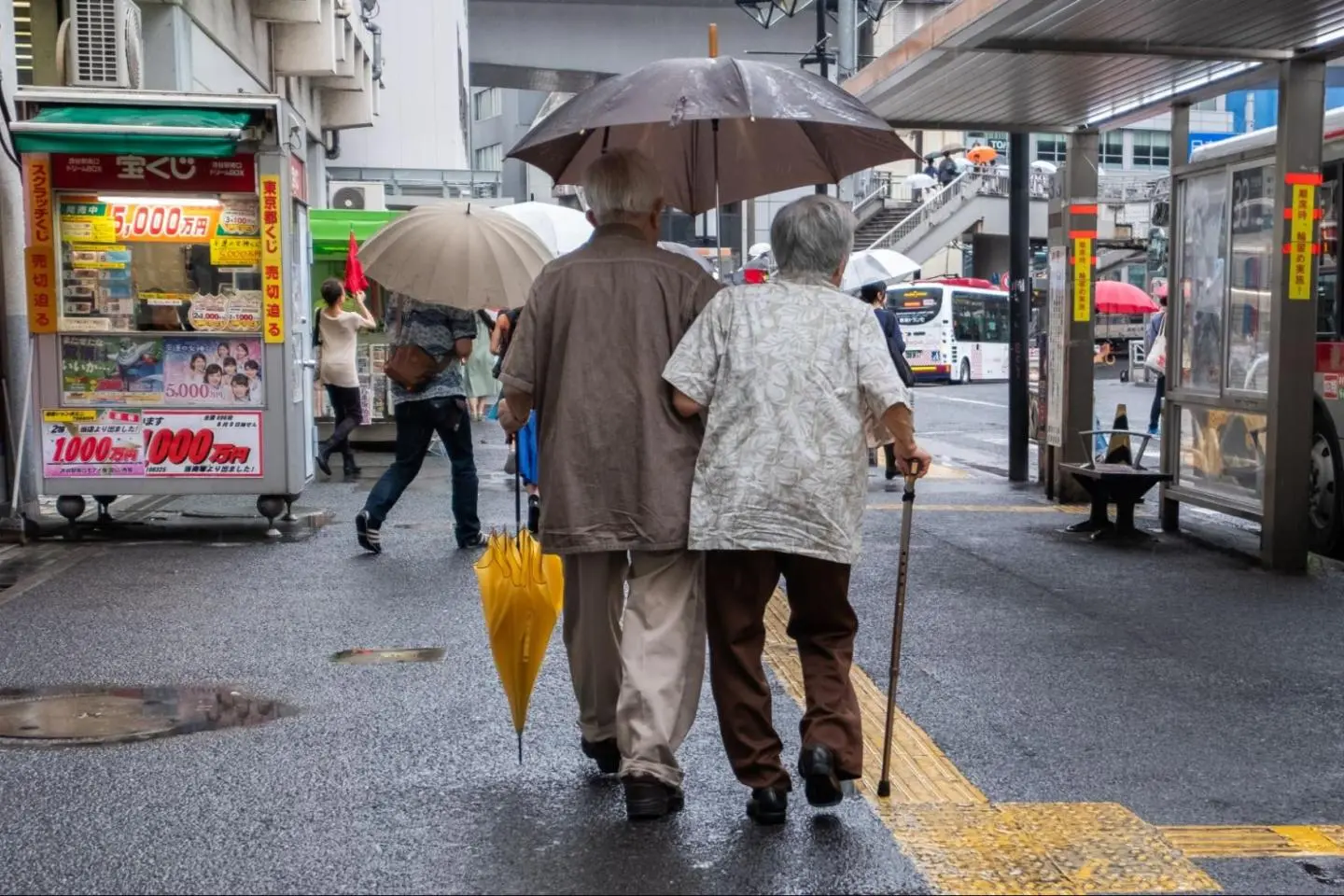
The imbalance is stark: fewer young people are being born, while more people are living longer than ever before. The result is a demographic inversion—a shrinking workforce supporting a rapidly expanding elderly population (Source: The Guardian).
This shift affects everything: healthcare systems, economic productivity, social structures, and even the cultural identity of entire regions.
What is causing the Japanese population decline?

The causes of Japan’s population decline are complex and deeply interwoven. There is no single factor, but rather a combination of economic, social, and cultural dynamics that have evolved over decades.
Urbanization plays a major role. Young people are leaving rural areas in search of education and employment in major cities like Tokyo and Osaka. Once they leave, few return. This creates a cycle where rural communities lose not only population, but also vitality and generational continuity.
Economic pressures also contribute. Raising children in Japan can be expensive, particularly in urban areas where housing and childcare costs are high. At the same time, job insecurity and long working hours discourage many from starting families.
Cultural shifts have further accelerated the trend. Marriage rates are declining, and more people are choosing to remain single. Delayed marriage often leads to fewer children—or none at all.
All of these factors converge into two key drivers: a low birth rate and an aging population.
Japan’s low birth rate
Japan’s birth rate is among the lowest in the world. The total fertility rate—defined as the average number of children a woman has over her lifetime—has hovered around 1.2 to 1.3 in recent years (Sources: Nippon.com, SmartVisionLogistics). This is far below the replacement level of 2.1 needed to maintain a stable population.
Why are fewer children being born in Japan?

One reason is the changing role of women in society. More women are pursuing higher education and careers, which is a positive shift—but one that often conflicts with traditional expectations around marriage and child-rearing. Workplace structures have been slow to adapt, making it difficult to balance professional and family life.
There is also a growing phenomenon of “marriage hesitation.” Many young people cite financial instability, lack of work-life balance, and shifting personal priorities as reasons for delaying or avoiding marriage altogether.
Additionally, Japan’s urban lifestyle can be isolating. Smaller living spaces, long commutes, and demanding work schedules leave little room—physically or emotionally—for raising children.
The result is a generation that is increasingly opting out of parenthood, whether by choice or circumstance.
An aging Japanese population
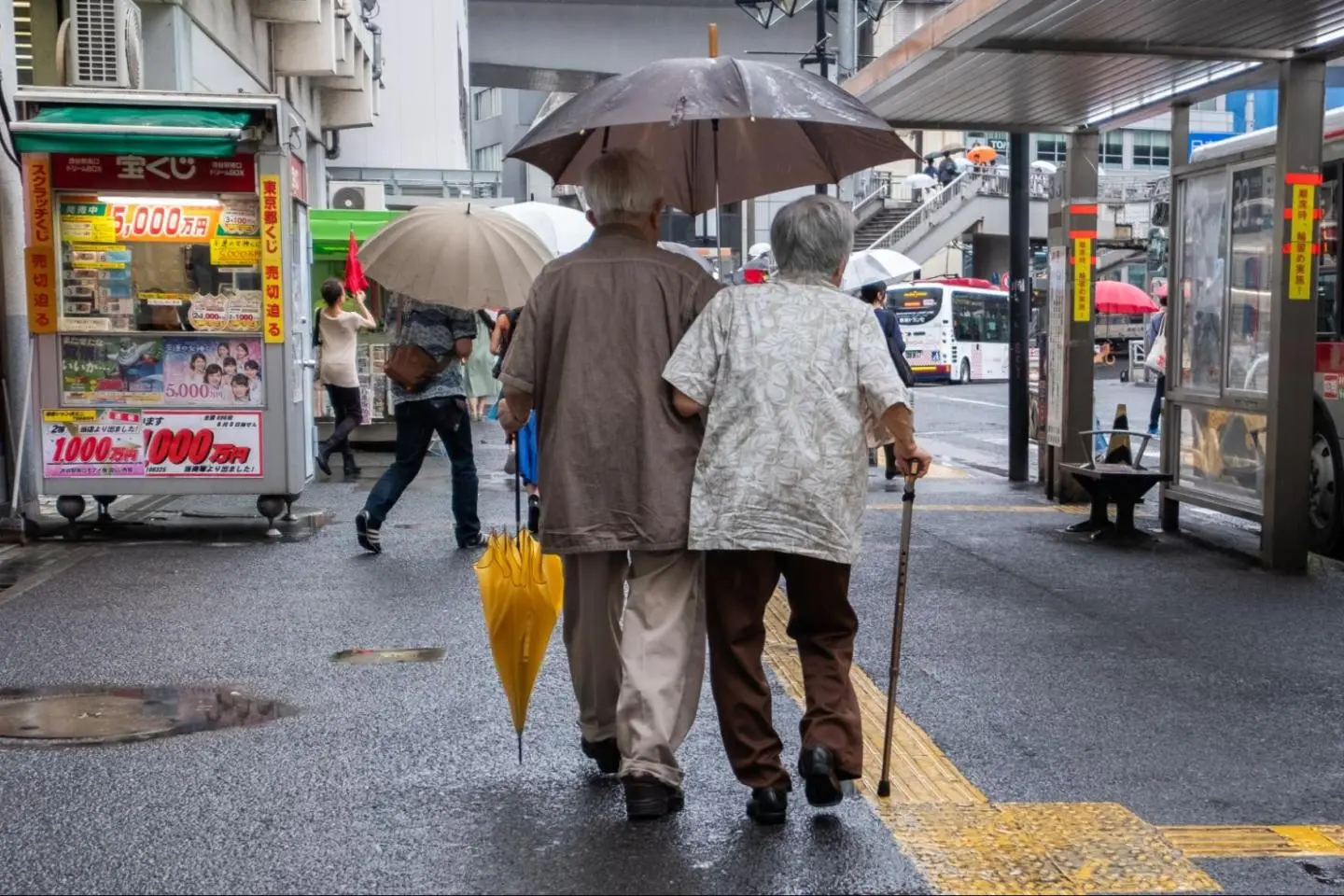
While fewer children are being born, people in Japan are living longer than ever. The country boasts one of the highest life expectancies in the world, with many citizens living well into their 80s and beyond (Source: The Japan Times).
This is a testament to Japan’s healthcare system, diet, and overall quality of life. But it also creates significant challenges.
An aging Japanese population places enormous strain on social services. Healthcare costs rise, pension systems are stretched, and the workforce shrinks. In rural areas, the effects are even more pronounced.
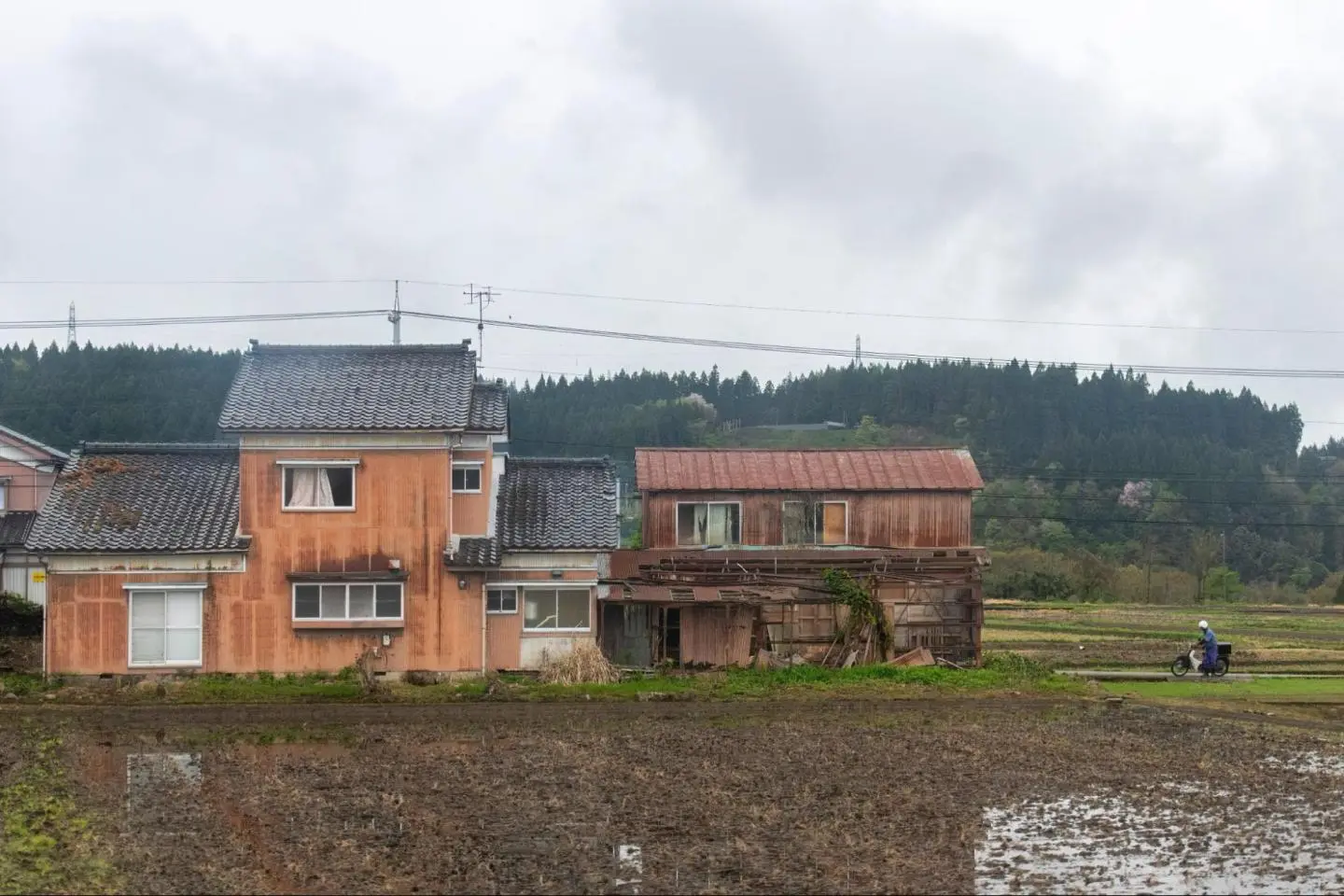
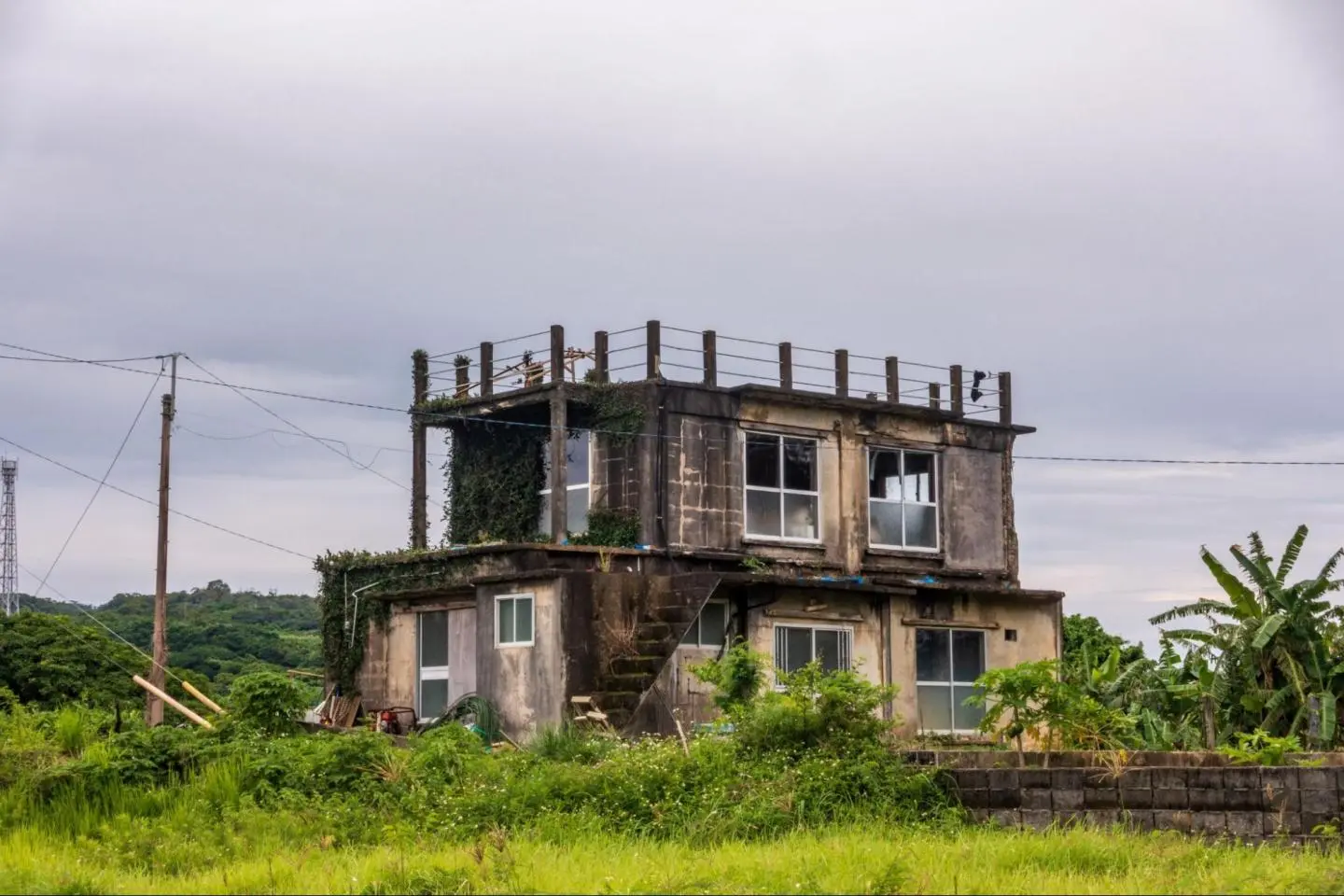
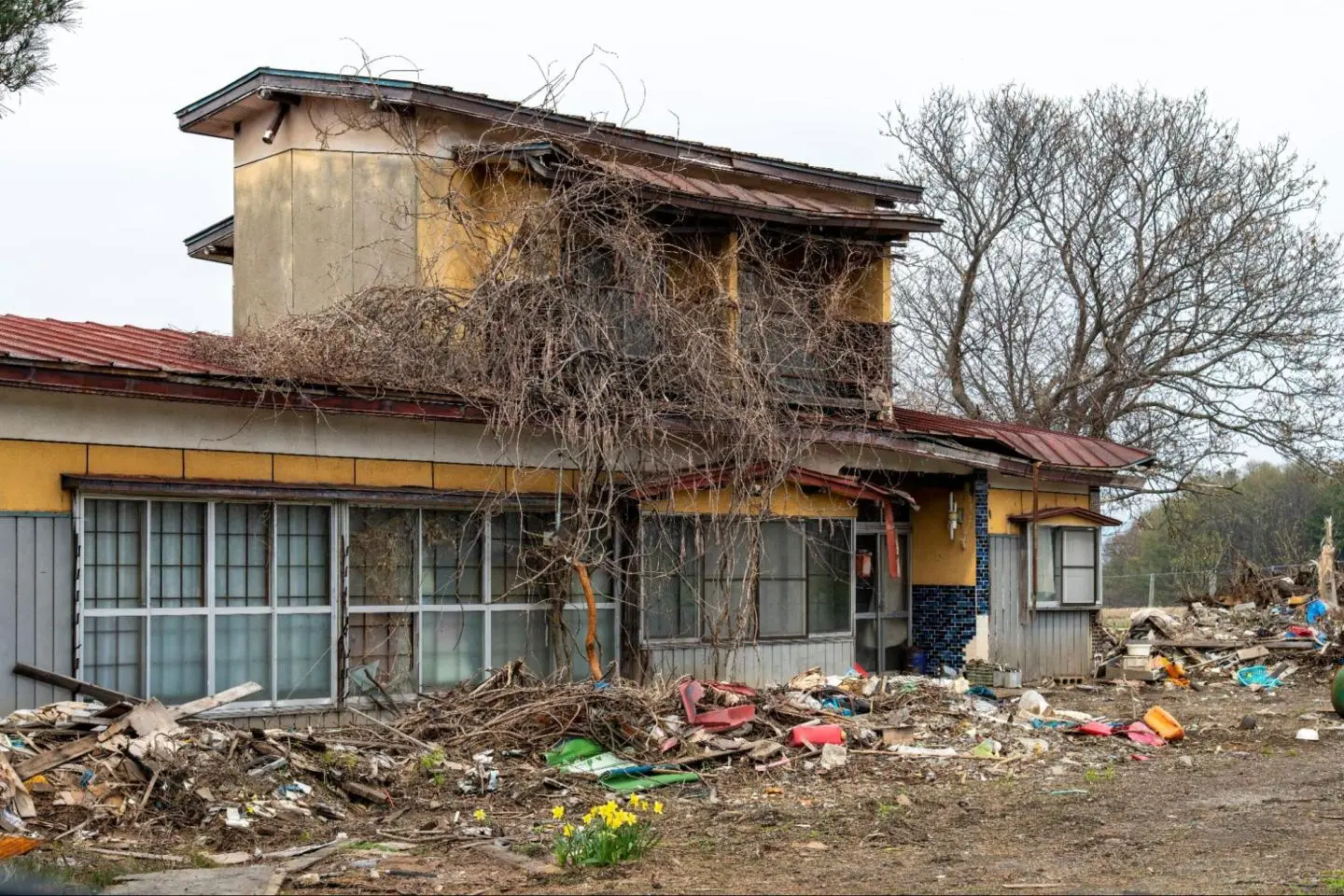
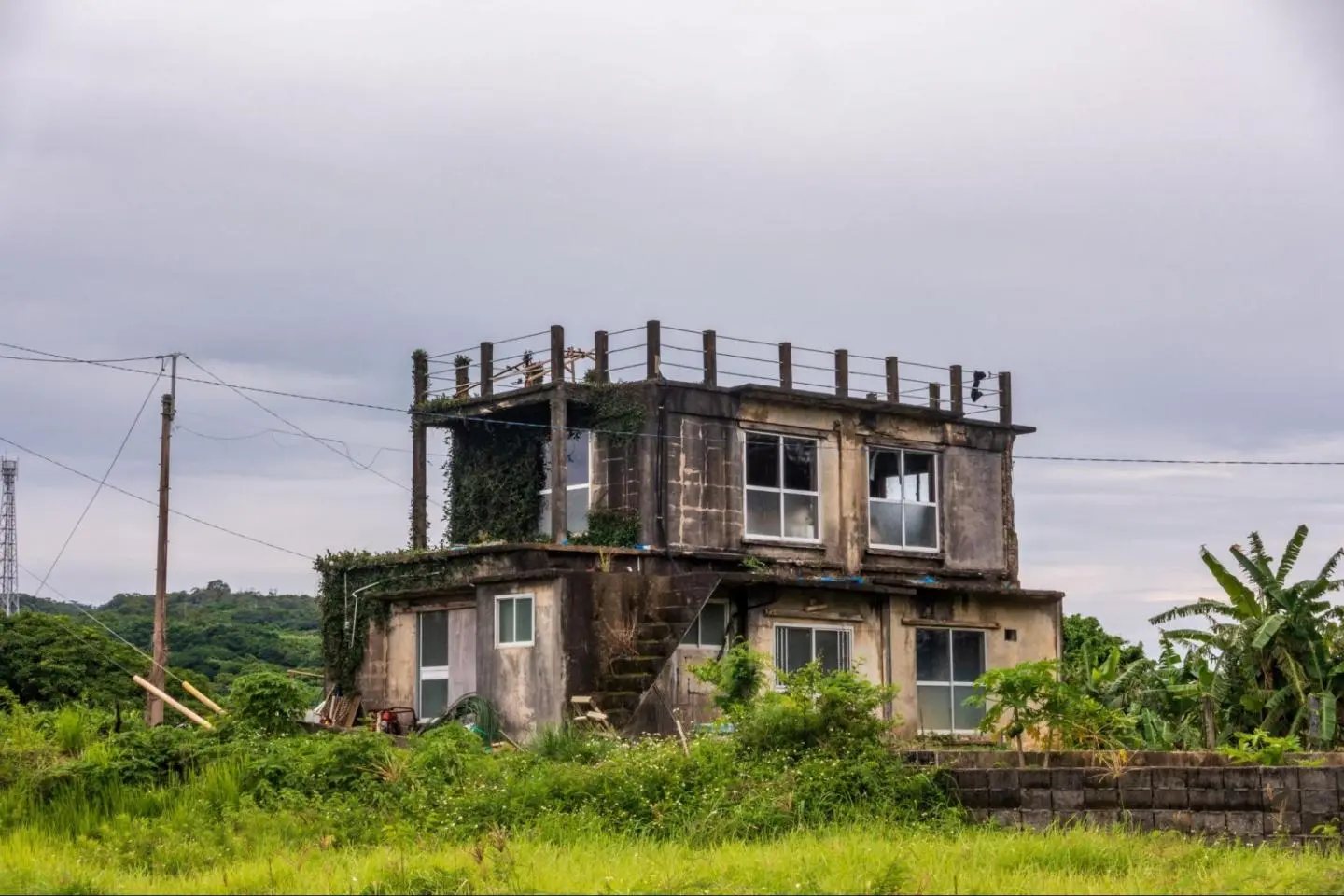
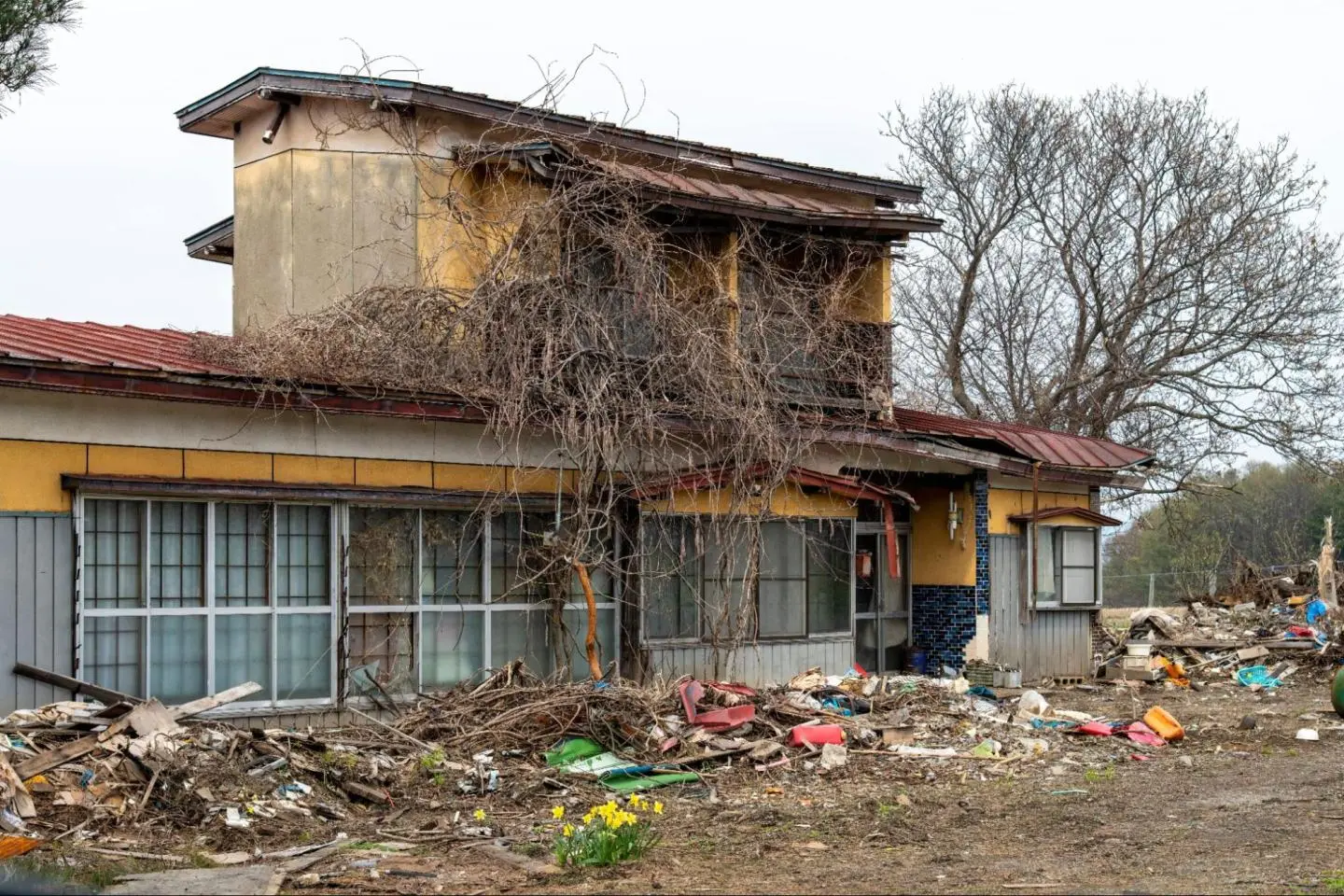
Entire communities are composed almost entirely of elderly residents. Schools close due to lack of students. Shops shut down because there are no customers. Infrastructure deteriorates as local governments struggle to maintain it.
In some villages, the population has dwindled to just a handful of people—often all over the age of 70. These are not just statistics; they are lived realities.
Most affected areas of Japan—and how can you help?
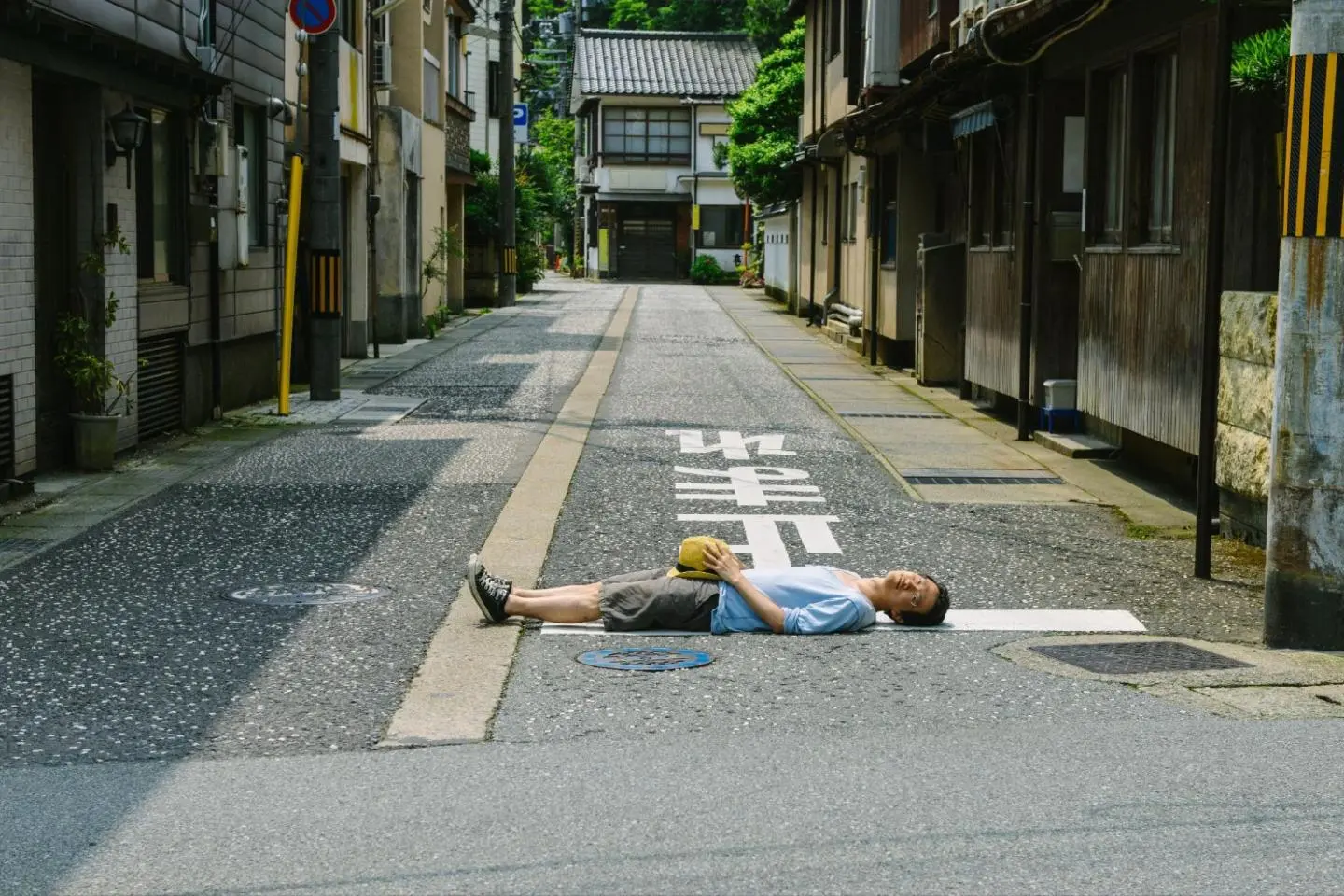
While the Japanese population decline is a nationwide issue, its effects are most visible in rural regions. These are places of extraordinary beauty and cultural heritage—but also places at risk of being forgotten.
Travelers can play a meaningful role by visiting, supporting local businesses, and engaging with communities.
Here are some of the most affected areas—and how you can experience them.
Nagoro Scarecrow Village, Shikoku
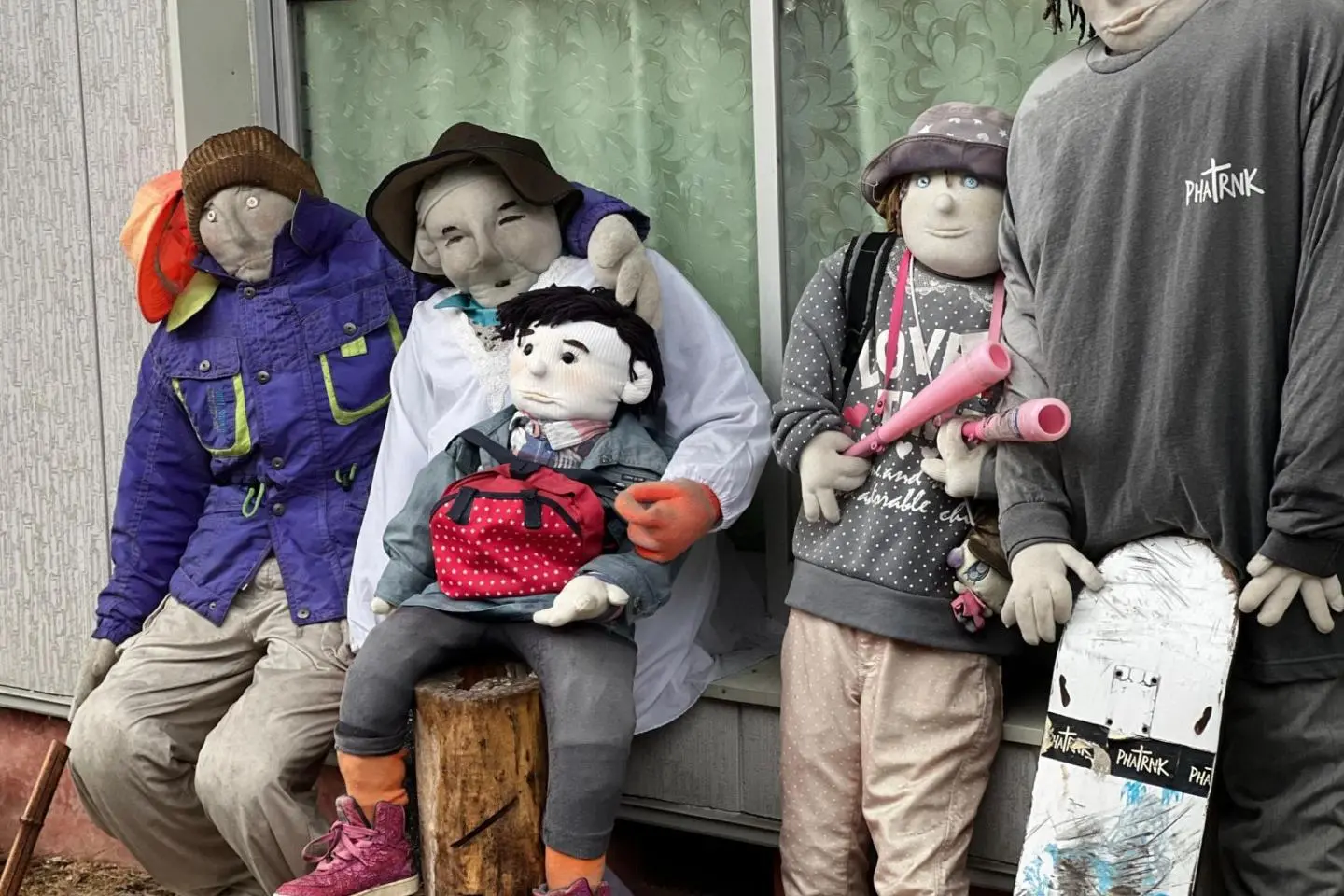
Deep in the mountains of Tokushima Prefecture is Shikoku’s Iya Valley, hiding a village that has become a symbol of depopulation. Known informally as the Nagoro “Scarecrow Village” or “Doll Village,” it is home to hundreds of life-sized dolls placed throughout the town—sitting at bus stops, tending fields, and gathering in classrooms.

All handcrafted by one woman, these figures represent former residents who have passed away or moved on. The real population has dwindled dramatically, leaving behind a haunting yet deeply moving landscape.
Visiting this village is a powerful experience. It is quiet, reflective, and undeniably emotional. By visiting this hidden Japanese village, you are not just observing—you are bearing witness to the real effects of Japan’s population crisis.
How to get to Nagoro Scarecrow Village
By plane: Take a one hour, 15 minute flight from Tokyo Haneda to either Takamatsu Airport or Kochi Airport. Then take the bus to the nearest central train station and ride the Limited Express to Oboke Station.
By train: Take Tokaido-Sanyo Shinkansen from Tokyo Station to Okayama Station (approx. 3.5 hours). At Okayama Station, transfer to the JR Dosan Line’s Limited Express "Nanpu" bound for Kochi. Take this train directly to Oboke Station (approx. one hour, 40 minutes).
From Oboke Station, take the Shikoku Kotsu Bus (Iya Line) to Higashi-Iya Gakko-mae (about one hour), change to the Miyoshi City Bus (Nagoro Line) in front of the school, ride for around 40 minutes, and get off at the Nagoroshita bus stop.
Furano, Hokkaido
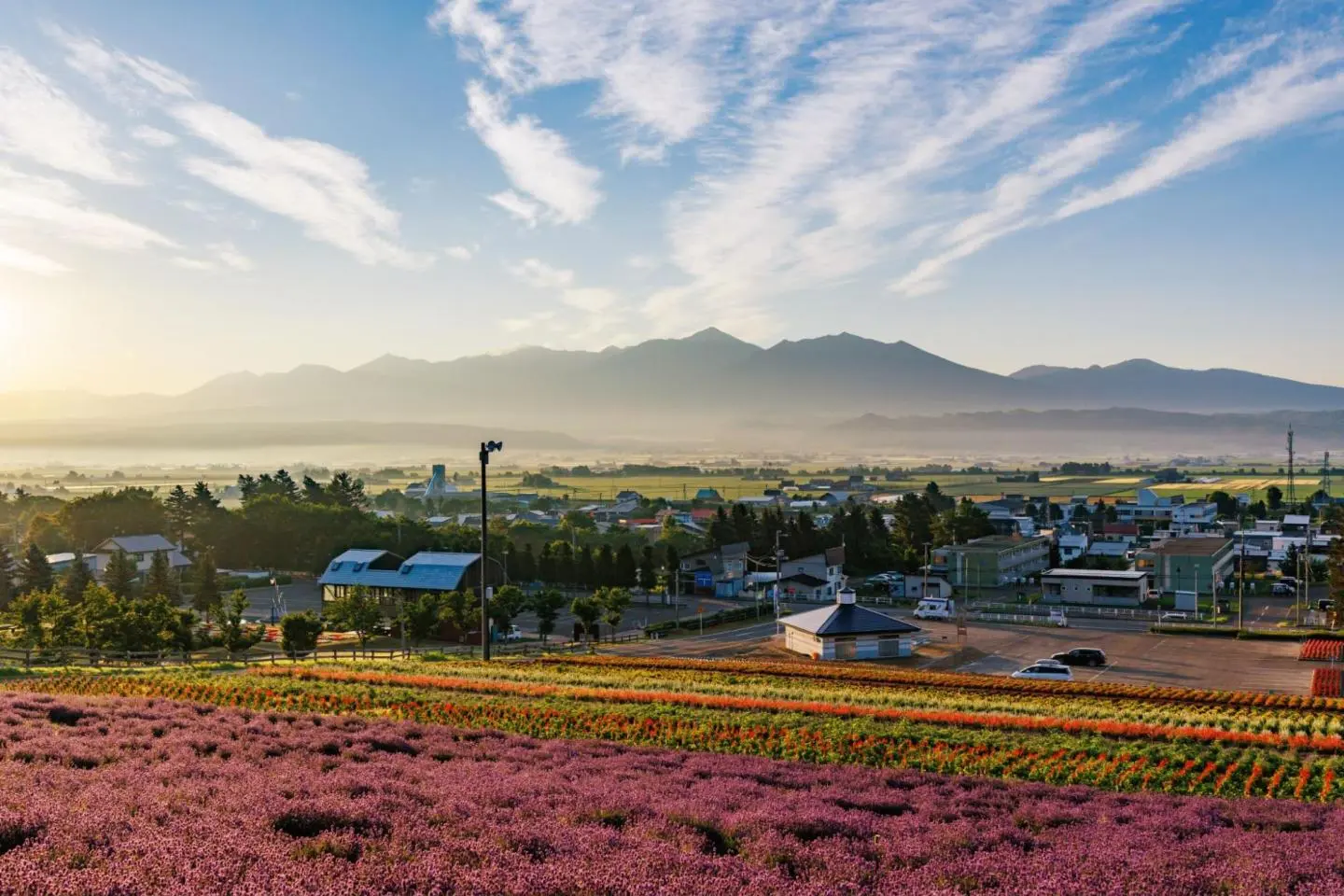
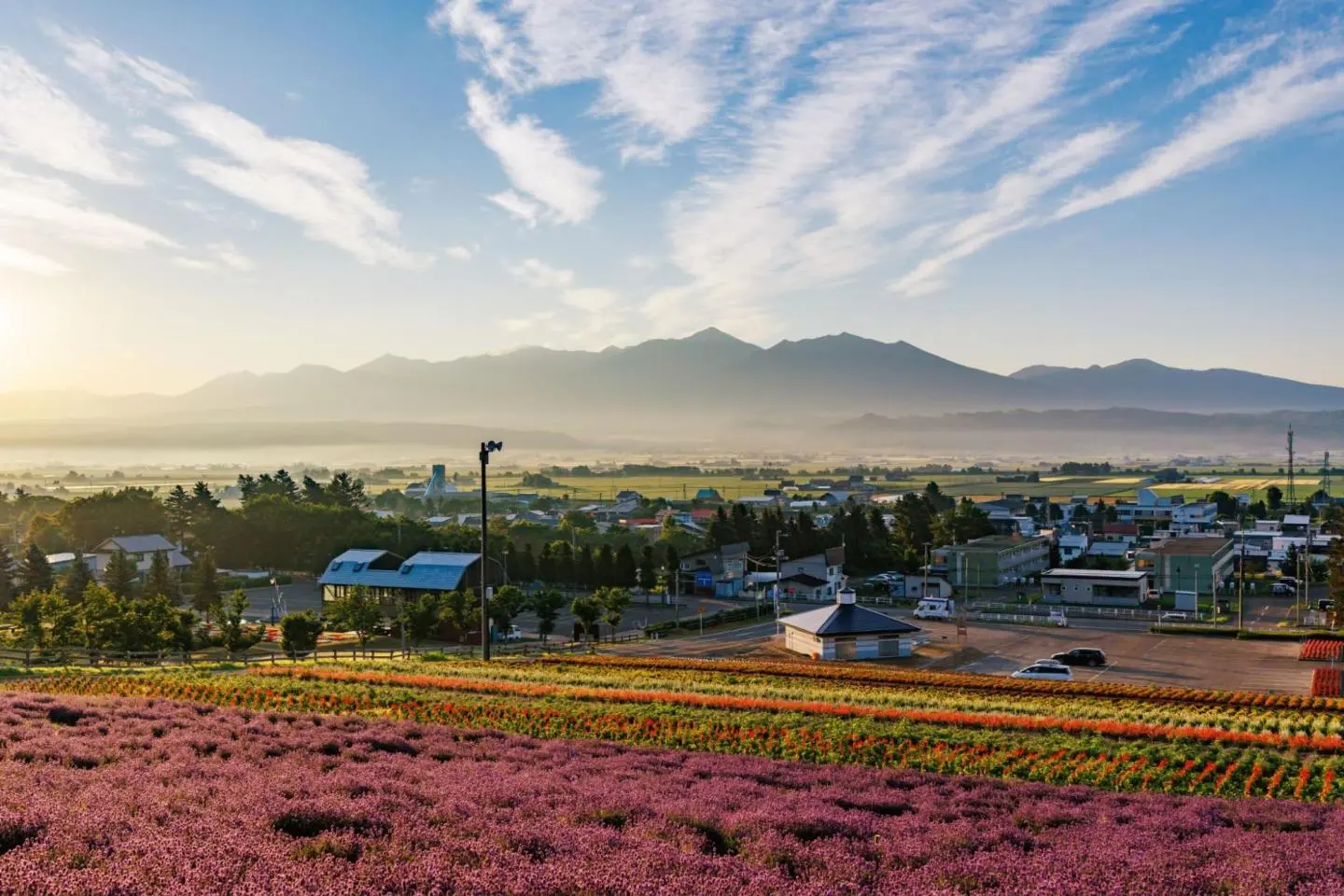
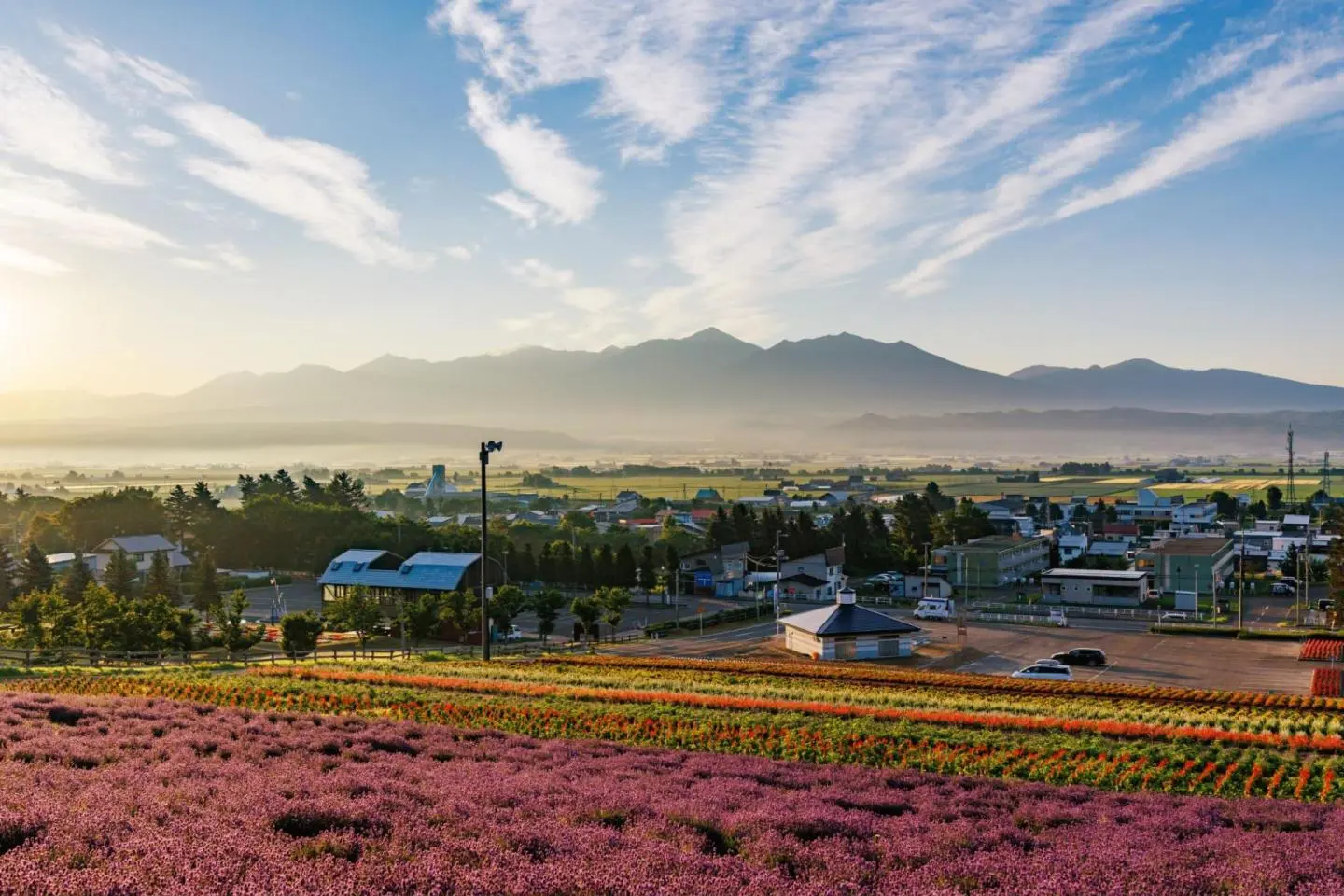
Furano is famous for its rolling lavender fields and stunning seasonal landscapes. But beyond its beauty, it is also one of many areas in Hokkaido facing population decline.
The region struggles with an aging population and a shrinking workforce, particularly in agriculture. Younger generations are leaving for cities, leaving farms understaffed and communities fragmented.
Travelers can help by choosing local experiences—farm stays, guided tours, and regional cuisine. Supporting tourism initiatives helps sustain the local economy.
Join our exclusive Hokkaido autumn tour
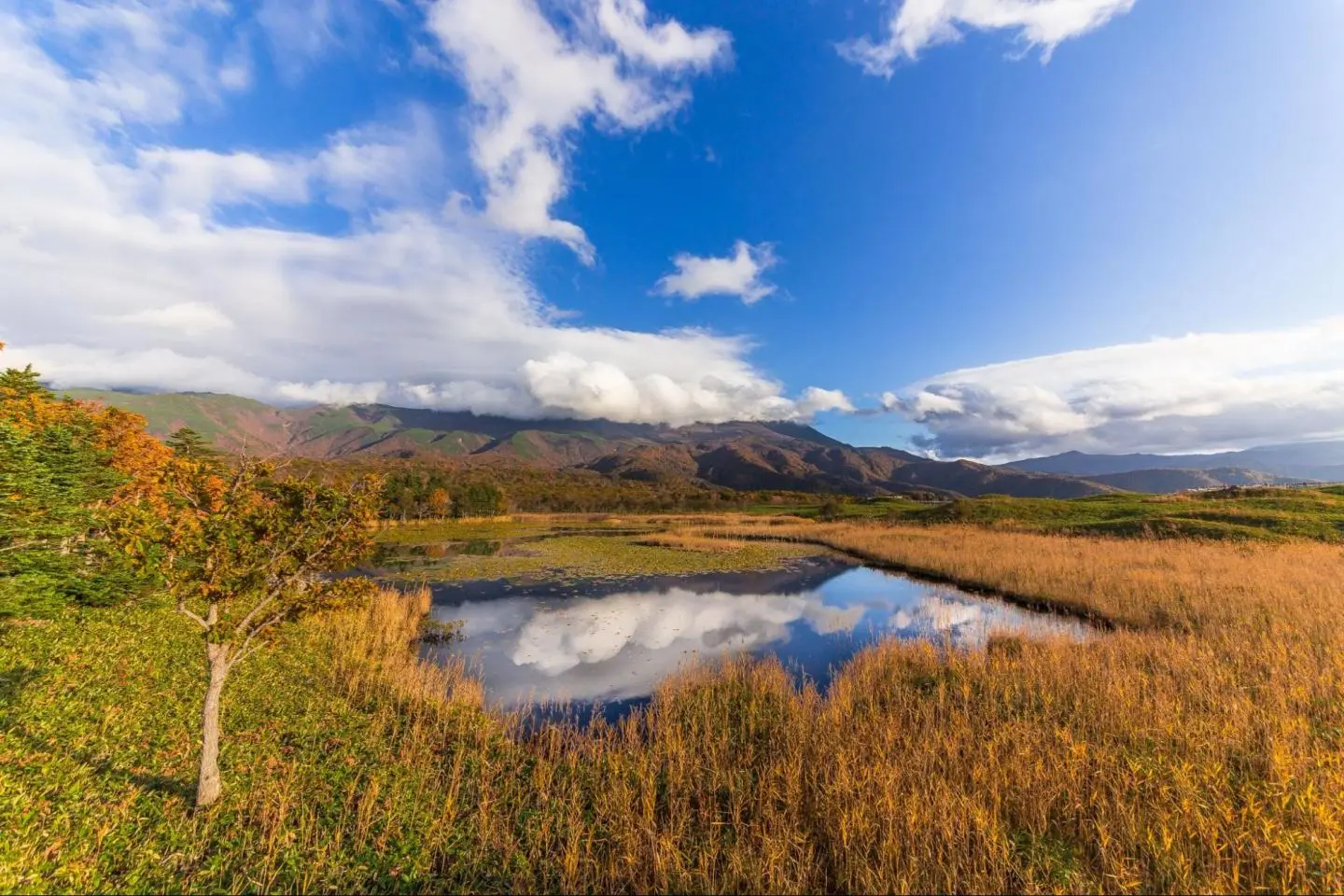
Discover the untamed beauty of Northern Japan on our Hokkaido autumn small group tour. As the landscape transforms into a canvas of fiery reds and gold, this curated journey takes you off-the-beaten-path in Hokkaido to experience the region’s peak fall colors and its local wildlife.
Designed for those who value slow travel in Japan, this nature-focused tour balances iconic vistas with hidden local gems across Kushiro, Teshikaga and Shiretoko Peninsula area.
How to get to Furano, Hokkaido
By plane: To get to Furano, Hokkaido, it’s quickest to fly into Asahikawa Airport. From there, take the “Lavender-go bus” directly from the airport to Furano (about 60 minutes).
Nanmoku, Gunma

Nanmoku is often cited as one of Japan’s fastest-aging villages. With a median age well above the national average, it is a stark example of what demographic imbalance looks like in practice.
The village has lost a significant portion of its population over the past few decades. Schools have closed, and many homes sit empty. Yet, it remains rich in natural beauty and traditional culture.
Source: Aljazeera
How to get to Nanmoku, Gunma
By train: Take the JR East Shinkansen from Tokyo Station or Ueno Station to Takasaki Station (approx. 50 minutes). Transfer to the Joshin Dentetsu Line to Shimonita Station (approx. one hour). From Shimonita Station, take the local Nanmoku Village Bus to your specific destination in the village (approx. 30 minutes).
By car: Due to the infrequency of public transport once you reach Nanmoku Village, it’s recommended to rent a car in Tokyo and drive. From central Tokyo, take the Kan-etsu Expressway heading north, before merging onto the Joshin-etsu Expressway toward Nagano. Take the Shimonita I.C. exit and it is about a 15–20 minute drive into the heart of Nanmoku Village. Overall, this drive takes about two hours from Tokyo.
Inakadate, Aomori
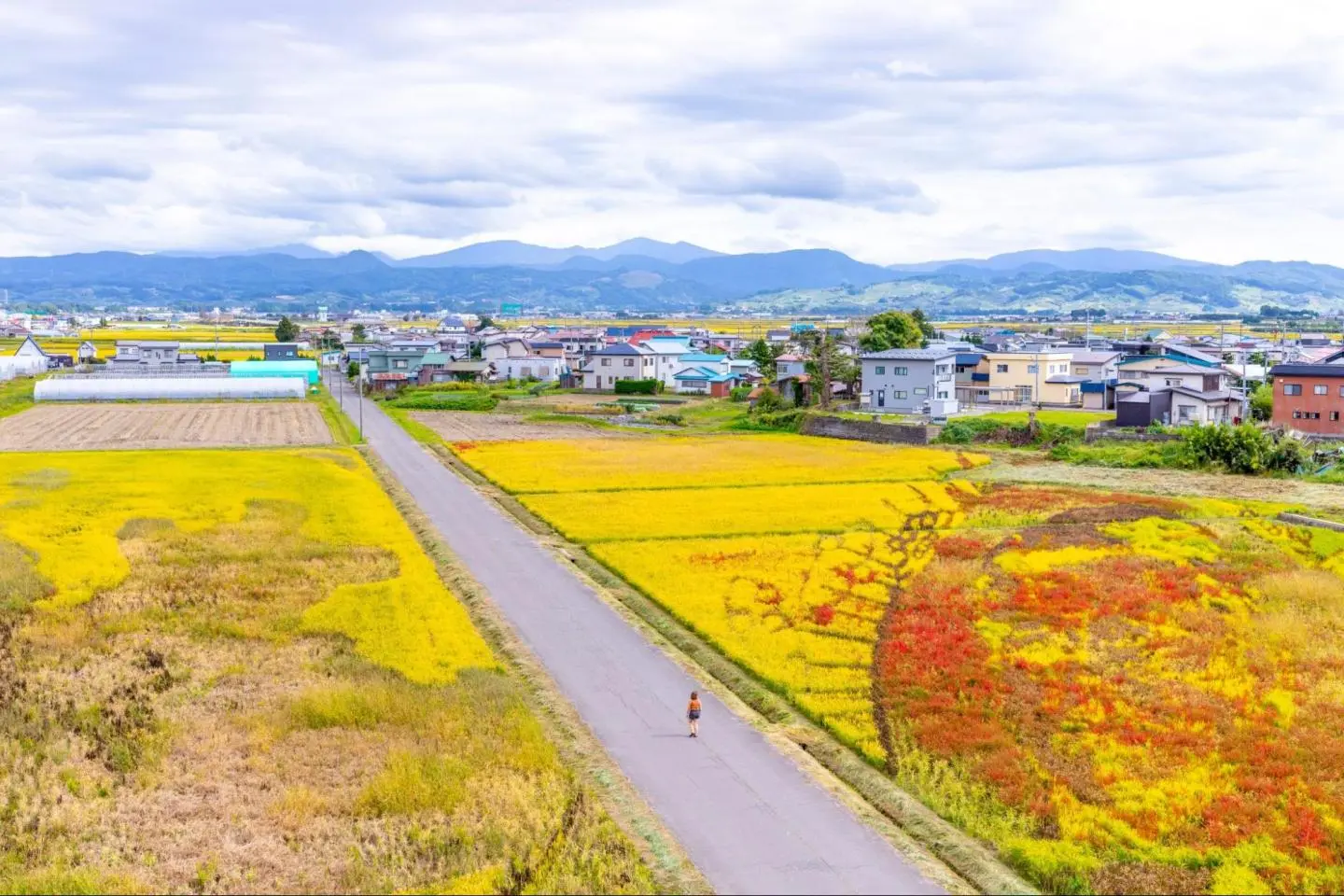
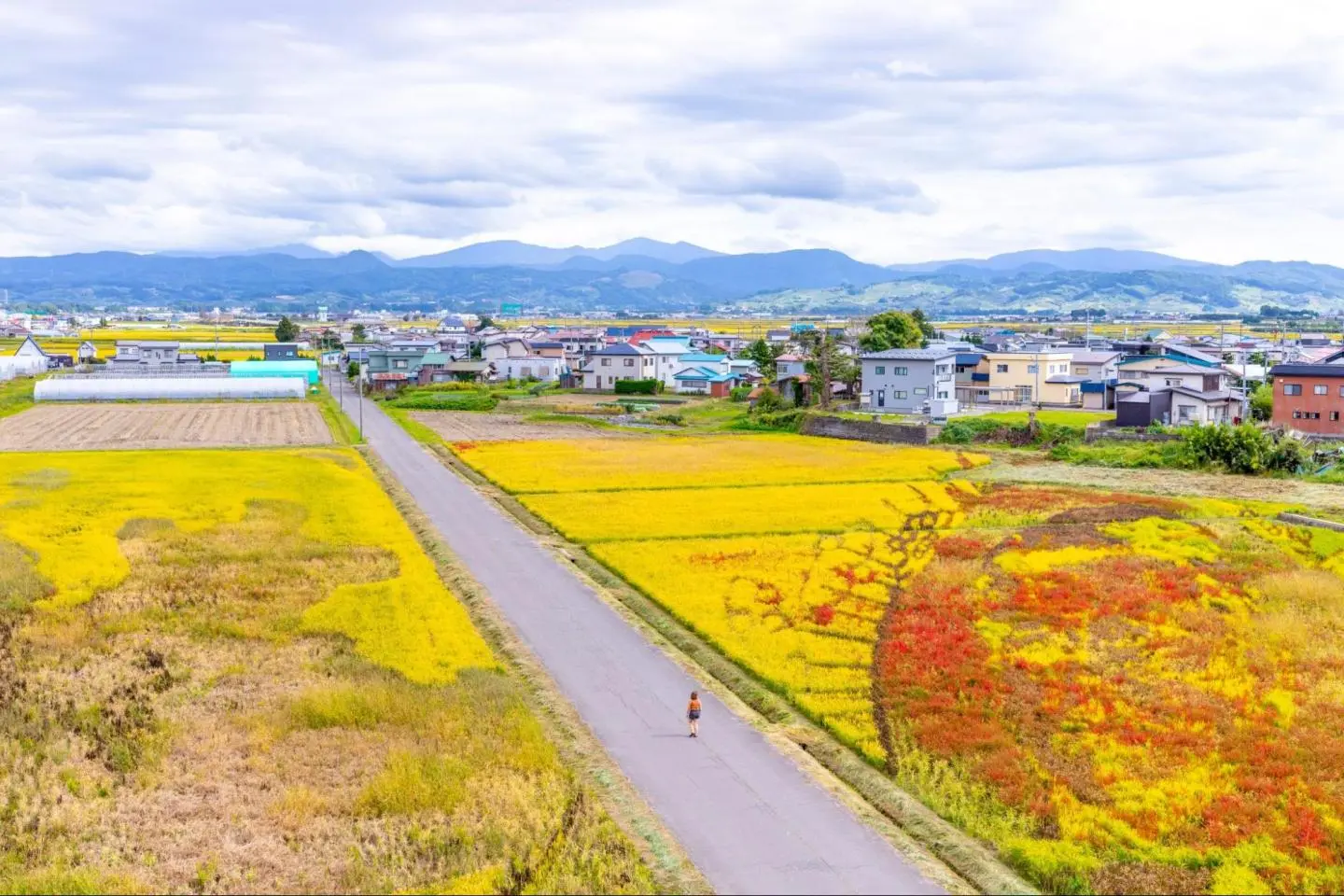
Inakadate is known for its intricate rice paddy art—a tradition that draws visitors from across Japan and beyond. Yet, like many rural towns, it faces a declining population.
Agriculture remains central to the local economy, but labor shortages and aging farmers pose ongoing challenges (Source: Reuters).
How to get to Inakadate, Aomori
By plane: Fly from Tokyo Haneda Airport to Aomori Airport (approx. 80 minutes). From there, take a local bus or taxi from the airport to JR Aomori Station or Shin-Aomori Station, then connect to the train route outlined below.
By train: Take the JR Tohoku Shinkansen (Hayabusa) from Tokyo Station or Ueno Station to Shin-Aomori Station (approx. 3.5 hours). Transfer to the JR Ou Main Line to Hirosaki Station (approx. 40 minutes). At Hirosaki, transfer to the private Konan Railway Konan Line and ride to Tanbo Art Station (25 minutes).
Ayabe, Kyoto
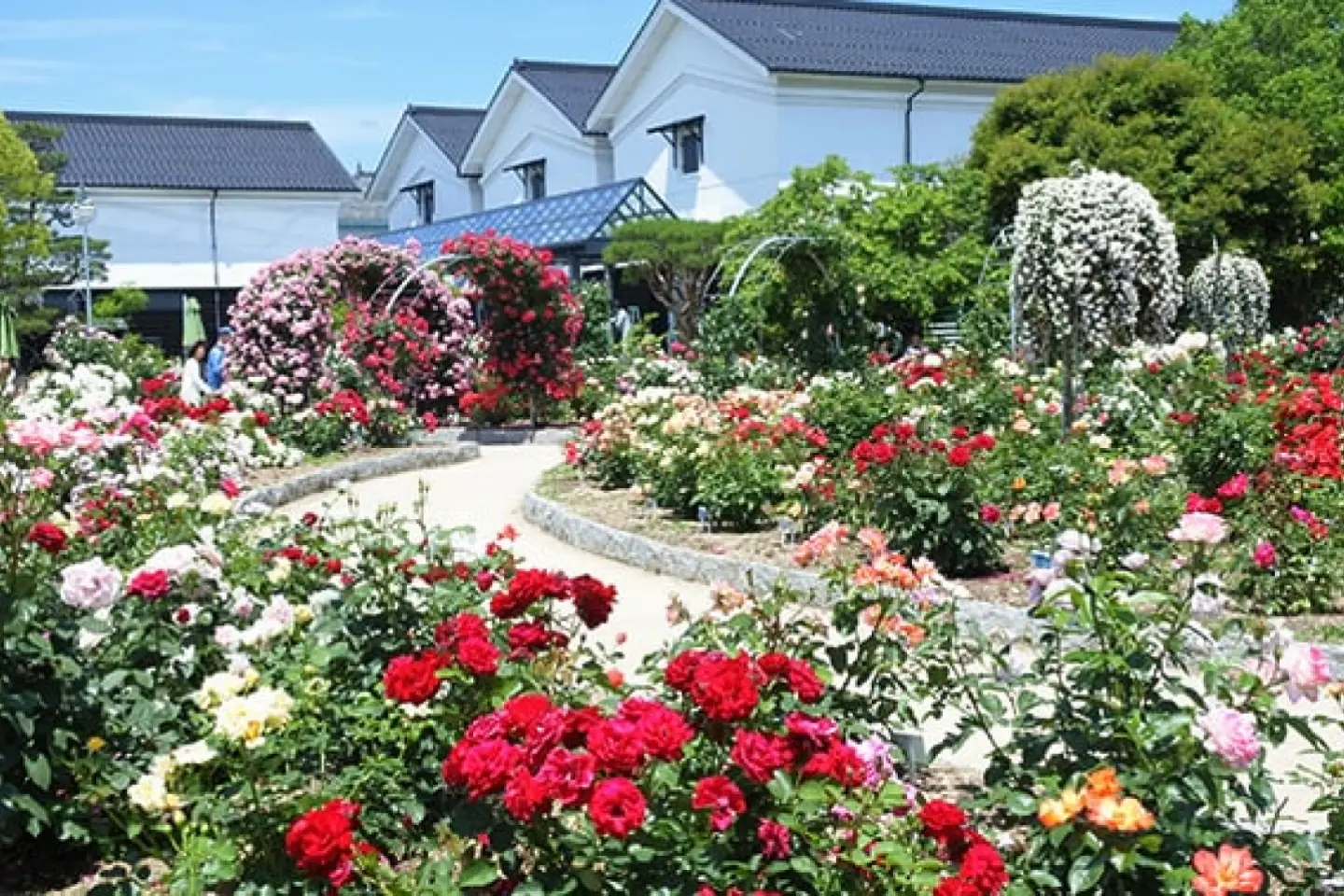
Ayabe offers a compelling example of rural revitalization efforts in action. Located in Kyoto Prefecture, it faces the same challenges as many countryside towns—but is actively working to reverse the trend.
Initiatives include attracting remote workers, promoting eco-tourism, and encouraging urban residents to relocate.
How to get to Ayabe, Kyoto
By train: From Tokyo Station, take the Tokaido Shinkansen to Kyoto Station, taking approximately two hours, 15 minutes. Hop onto the San-In Line’s Rapid train to Sonobe, getting off at Sonobe Station after just over an hour. Finally, catch the local train towards Fukuchiyama, getting off at Ayabe Station after approximately an hour.
Japan’s “wholly underpopulated” areas
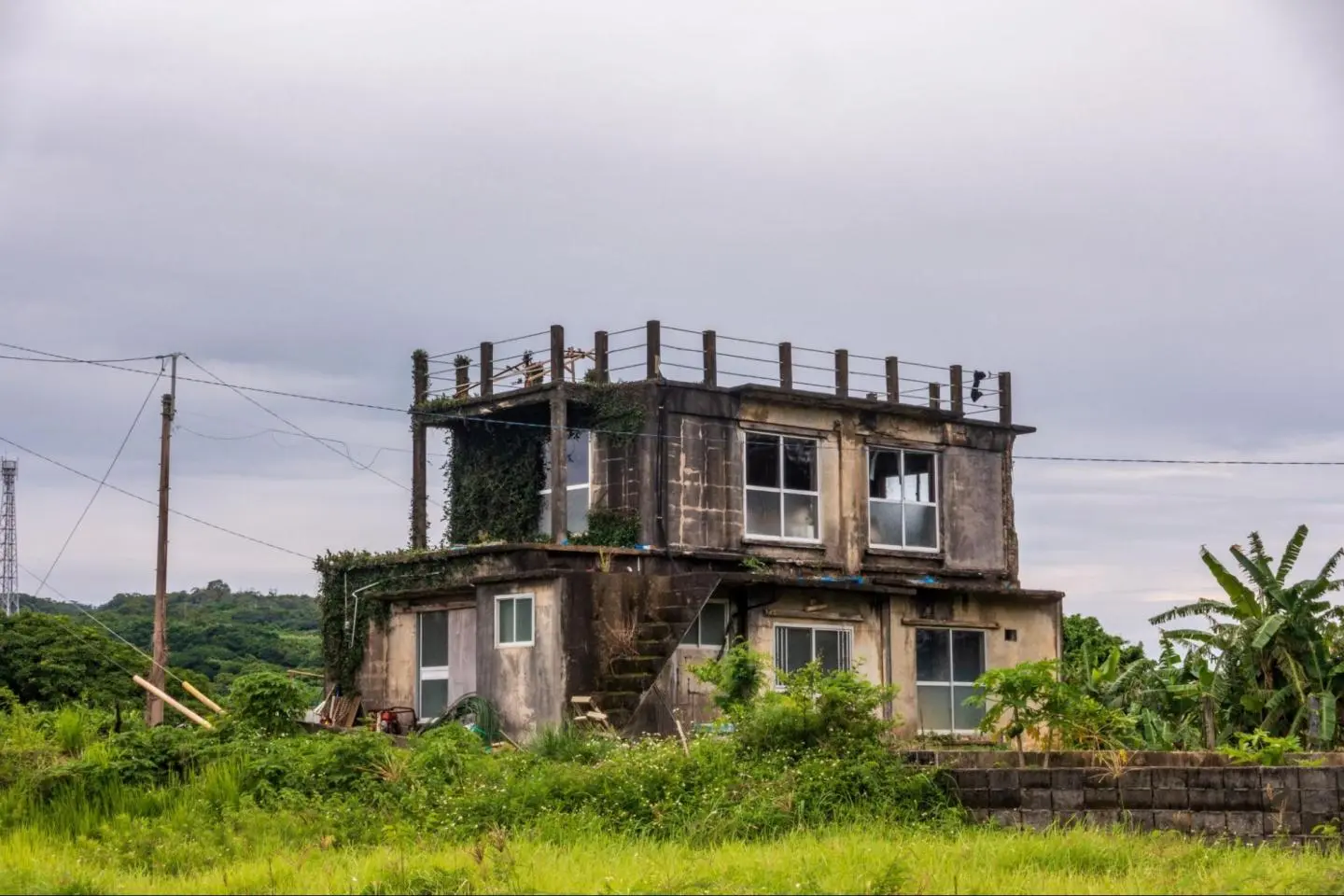
The Japanese government has identified 65 municipalities as “wholly underpopulated.” These areas span the country—from Hokkaido to Kyushu—and include places like Furano, Inakadate, and Ayabe, all mentioned above.
This designation highlights regions experiencing severe population decline, aging demographics, and economic challenges. These communities are not just statistics—they are living, breathing places with histories, traditions, and futures at stake.
The full list includes:
Hokkaido’s Furano, Shin-Shinotsu, Shikabe, Betsukai; Aomori Prefecture’s Inakadate, Tsuruta; Miyagi Prefecture’s Kawasaki, Matsushima, Osato, Wakuya; Yamagata Prefecture’s Kaminoyama; Fukushima Prefecture’s Kunimi, Tenei, Aizu-Bange; Ibaraki Prefecture’s Sakuragawa, Kawachi; Gunma Prefecture’s Takayama; Saitama Prefecture’s Tokigawa, Minano, Nagatoro; Chiba Prefecture’s Kujukuri; Niigata Prefecture’s Kamo; Fukui Prefecture’s Katsuyama; Nagano Prefecture’s Tateshina; Shiga Prefecture’s Kora; Kyoto Prefecture’s Ayabe; Osaka Prefecture’s Toyono, Nose; Hyogo Prefecture’s Ichikawa; Nara Prefecture’s Takatori; Wakayama Prefecture’s Hirogawa, Mihama; Kochi Prefecture’s Sukumo; Fukuoka Prefecture’s Itoda; Nagasaki Prefecture’s Higashi-Sonogi; Kumamoto Prefecture’s Hitoyoshi.
Source: Asahi
Japan’s regional revitalization efforts
Recognizing the urgency of the situation, Japan has implemented a range of policies and initiatives aimed at revitalizing rural areas and stabilizing the population.
Promoting “connected population” (kankeijinko)
Rather than focusing solely on permanent migration, this concept encourages ongoing relationships between urban residents and rural communities.
People may visit regularly, work remotely, or participate in local projects. This creates a flexible form of engagement that benefits both sides.
Financial incentives for relocation
Some municipalities offer financial support to individuals and families willing to move to rural areas. This includes housing subsidies, childcare assistance, and job placement programs.
These incentives aim to make relocation more accessible and appealing.
Sources: Akiya Japan, GaijinPot
Supporting local industries and crafts
Efforts are also being made to strengthen regional economies through tourism, agriculture, and small business development.
By investing in local industries, communities can create sustainable employment opportunities and attract new residents.
Source: PR Office, Government of Japan
Leveraging technology and remote work
Initially driven by a lack of tourism during the height of COVID, the rise of remote work has opened new possibilities for rural revitalization. High-speed internet and digital infrastructure allow people to live outside major cities while maintaining professional careers.
This shift has the potential to redistribute population more evenly across the country, being promoted as a “workation.”
Source: Mainichi
Japan population crisis: What’s next?
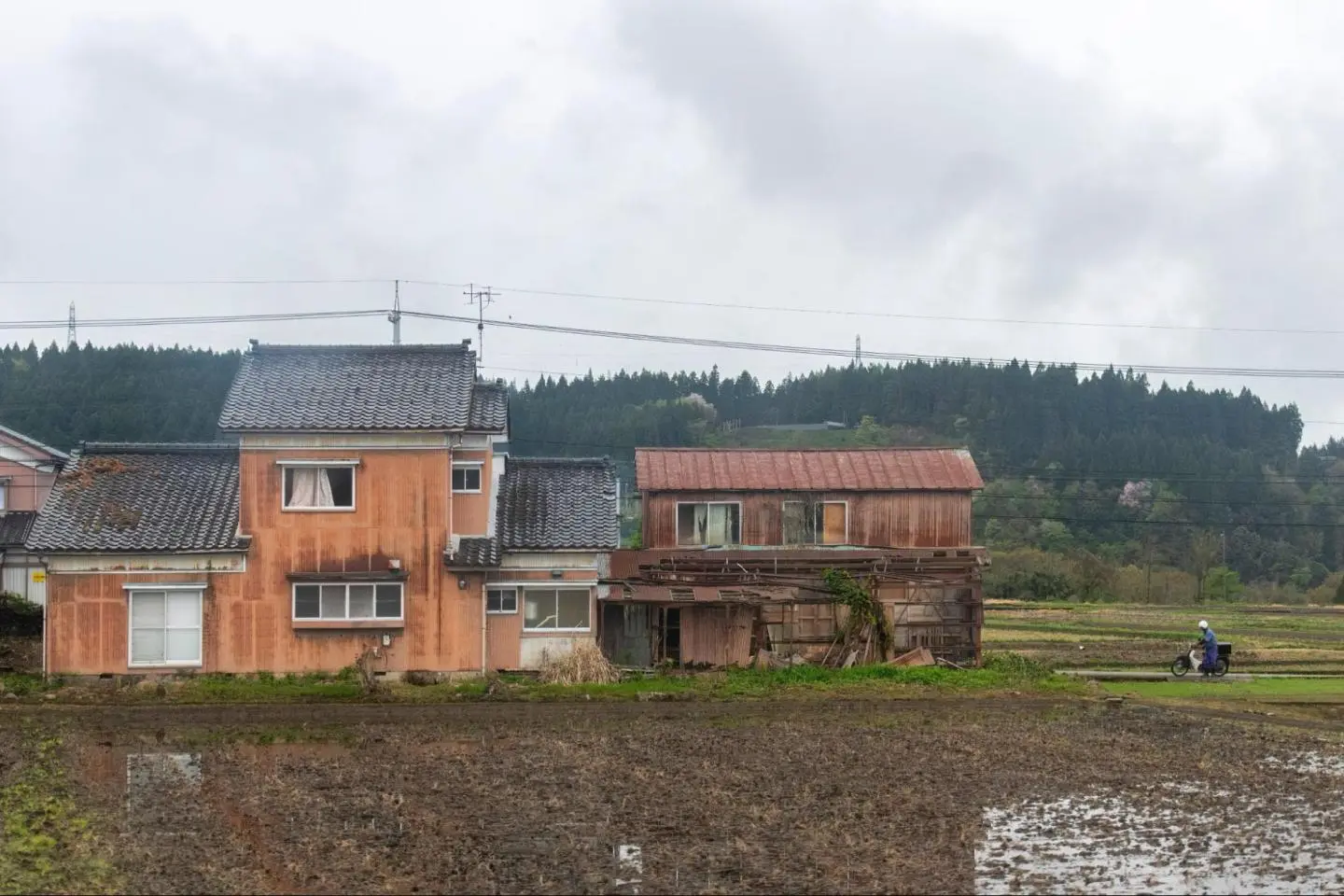
Japan’s population decline is one of the most pressing challenges facing the nation today. It is a slow-moving crisis—but one with profound and far-reaching consequences.
Yet, it is not without hope.
Across the country, communities are adapting, innovating, and finding new ways to sustain themselves. Travelers, too, have a role to play. By visiting rural areas, supporting local businesses, and engaging with regional culture, you can contribute to these efforts in meaningful ways.
The story of Japan’s population is still being written. And in small but significant ways, you can be part of it.
Japan depopulation: FAQs
Why is the Japanese population declining?
The decline is driven by a combination of low birth rates, an aging population, urban migration, and changing social norms around marriage and family.
How serious is Japan’s population decline?
It is one of the most severe in the world. The population has been shrinking since 2008 and is projected to fall dramatically over the coming decades.
Which areas are most affected?
Rural regions are the hardest hit, with some villages facing near extinction due to aging residents and lack of younger generations.
Can tourism help with depopulation?
Yes. Tourism supports local economies, creates jobs, and helps sustain cultural traditions in rural areas.
Is the Japanese government doing anything about it?
Yes. Initiatives include financial incentives for relocation, support for local industries, and policies encouraging regional engagement and remote work.