
문화
Keishun-in Garden
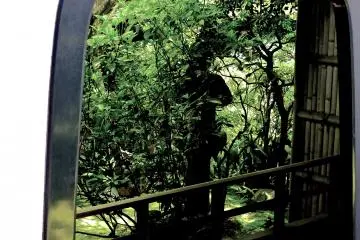
Larry KnipfingThe Keishun-in Temple garden is small and simple; quite lovely in early May. It was nice to sit quietly and soak up the fresh air.
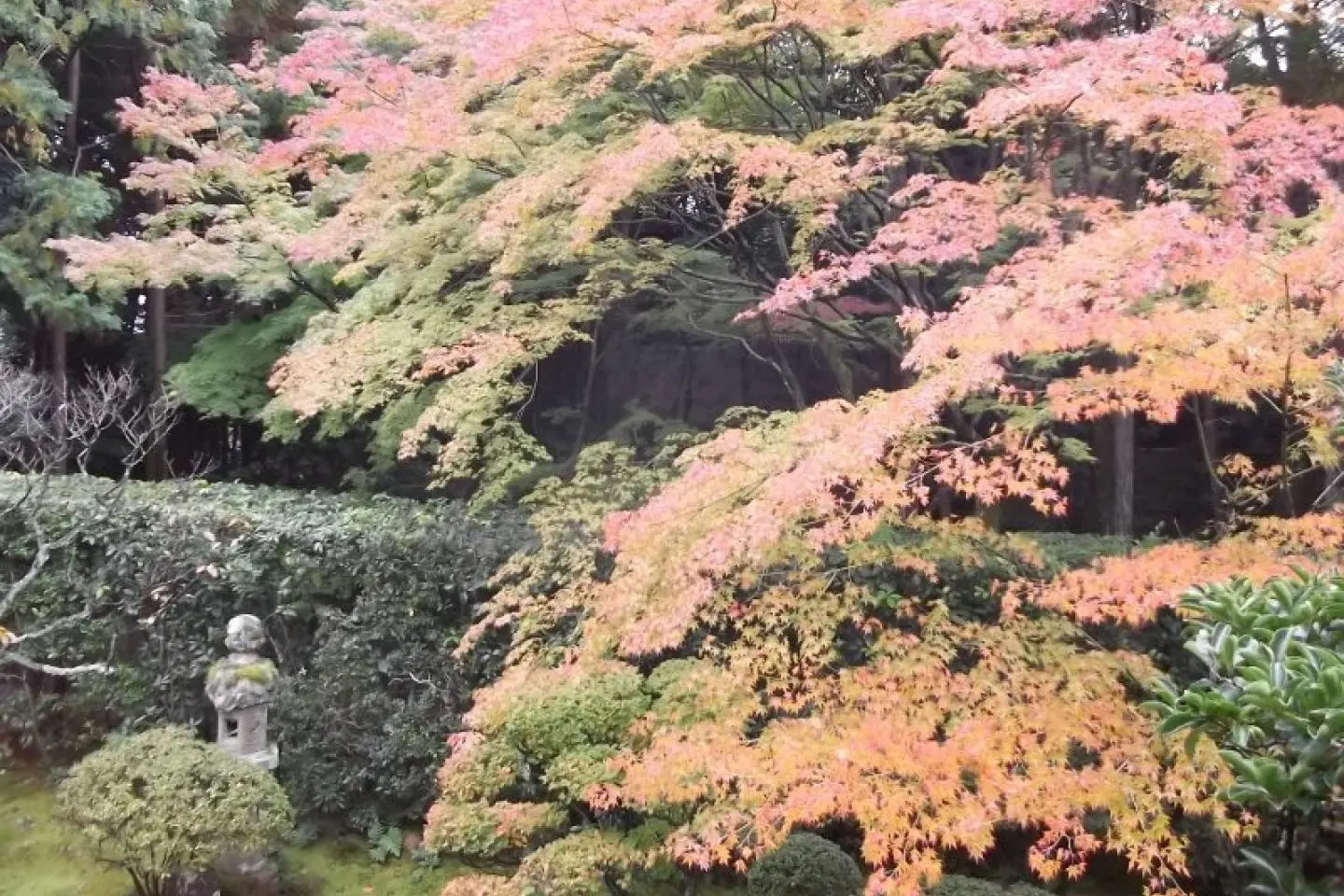
Keishunin (桂春院) is one of the sub-temples of Myoshin-ji containing gardens and a teahouse.
/135.72249054909,35.024830434659,9/397x132?access_token=pk.eyJ1IjoiamFwYW50cmF2ZWxtYXBzIiwiYSI6ImNqbXBtOXYxbDB5Z3ozbHFrazJuYWMwOGYifQ.v15fy_mcFWtgopmz8PhwqA)
The Keishun-in Temple garden is small and simple; quite lovely in early May. It was nice to sit quietly and soak up the fresh air.
桂春院の庭園と茶室は小さくて簡素だ; 5月上旬の新緑の季節、とても美しい。ただ静かに腰を下ろし、新鮮な空気を胸一杯吸い込むだけで十分だ。
วนและโรงน้ำชาของวัดเคชุน-อิน เป็นสวนขนาดเล็กและเรียบง่าย แต่ก็ดูสวยงามในช่วงต้นพฤษภาคม ที่นี่ไม่มีการเสริฟน้ำชา แต่ก็ไม่เป็นไร เพียงแค่นั่งเงียบๆ ดื่มด่ำชมสวนและอากาศบริสุทธิ์ ก็เพียงพอแล้ว
In Japan's ancient capital of Kyoto, Keishun-in is a very peaceful Zen Buddhist temple, with tranquil gardens unchanged in centuries.
Trong kinh đô cổ xưa Kyoto của Nhật Bản, Keishun-in là một ngôi chùa Thiền phái Phật giáo rất yên bình, với những khu vườn yên ắng trường tồn qua hàng thế kỉ.
Khu vườn trong đền Keishun-in nhỏ và đơn giản; khá đáng yêu vào đầu tháng năm. Thật là tuyệt khi ngồi xuống và hít thở không khí trong lành.
케이슌인 사찰 정원은 작고 단순했다. 5월 초에 꽤 상쾌하고 예뻤다. 단지 조용히 앉아서 푸른 정원의 신선한 공기를 숨쉬는 것 자체만으로도 좋았다.
시조 카라스마의 호텔 닛코 프린세스 교토는 싱글 룸 (24㎡)부터 트윈 룸 (48㎡)까지 갖춘 넓적한 객실을 갖추고 있다. 호텔 스태프들은 트레이닝을 잘 받고 최고의 예절과 접대를 한다.

교토의 북쪽에있는 카미가모 신사는 치유의 힘으로 알려져 있습니다. 그리고 내부의 신사인 카타오카샤는 짝짓기의 신으로 알려져 있습니다. "겐지모노가타리"의 저자 인 무라사키 레이디도이 신을 깊이 숭배했다고 합니다.
사가노유는 교토의 인기 있는 아라시야마 지역에 있는 약간 독특한 카페다. 이전에 센토 (대중목욕탕)로 쓰였던 이곳은 목욕탕의 흔적을 아직 남긴채 오늘날의 현대식 카페로 리모델링되었다. 타일 아트, 거울과 수도꼭지가 많아 향수를 불러일으킨다. 메뉴는 팬케이크와 디저트, 런치 세트에는 가볍게 샐러드, 파스타나 카레 밥이 있다. 맛있는 러스크 (rusk)와 크래커를 포함한 일본 간식도 판매 중이다. 게다가, 위층에 있는 갤러리에는 장인 실내 장식 모델 (자카)이 전시되어 있다. 사가노유는 오전 11시부터 오후 8시까지 영업하며, 가장 가까운 역은 JR 사가 아라시야마 역과 케이후쿠 전철 란덴 사가 역이다.
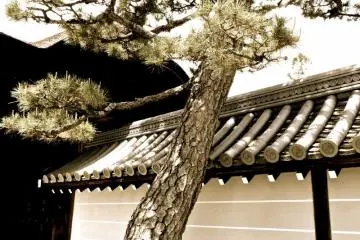
Adashino Nenbutsu-ji is a Buddhist temple in Ukyo-ku, Kyoto, Japan. In 811 Kūkai is said to have founded a temple, then Honen altered it to the present Nenbutsuji. [Wikipedia]
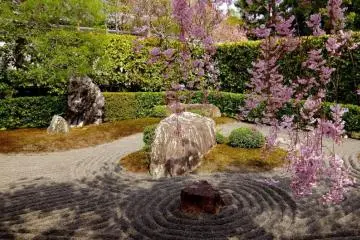
Taizō-in is the oldest sub-temple of the Myōshin-ji Rinzai Zen Buddhist temple, situated in the northwest of Kyoto, Japan. It was founded by Zen priest Muinsoin in 1404. The original temple buildings were burned during the Ōnin War, and were later rebuilt. Taizō-in is well known for its two gardens. [Wikipedia]
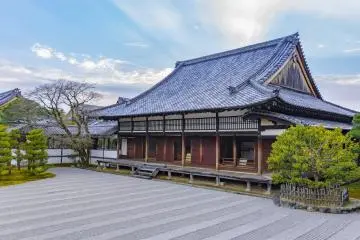
Ninna-ji Temple was founded in 888 and is a Buddhist temple in northeast Kyoto that is closely associated with the imperial family of Japan. It is the main temple of the Omuro school of the Shingon sect of Japanese Buddhism. There are many Omuro School temples throughout Japan and many priests from these temples come to Ninna-ji to attend Buddhist services and to study and train in the main temple of their sect. Ninna-ji Temple is known not only for the building itself, but also for its prime location as a viewpoint for the late cherry blossom. He also has a beautiful Japanese garden from which you can see the famous five-story pagoda. Behind Ninna-ji Temple is the Omuro Pilgrimage, a shorter version of the Shikoku pilgrimage. This route can be covered in about two hours on foot, but is believed to have the same meaning as the Shikoku pilgrimage.